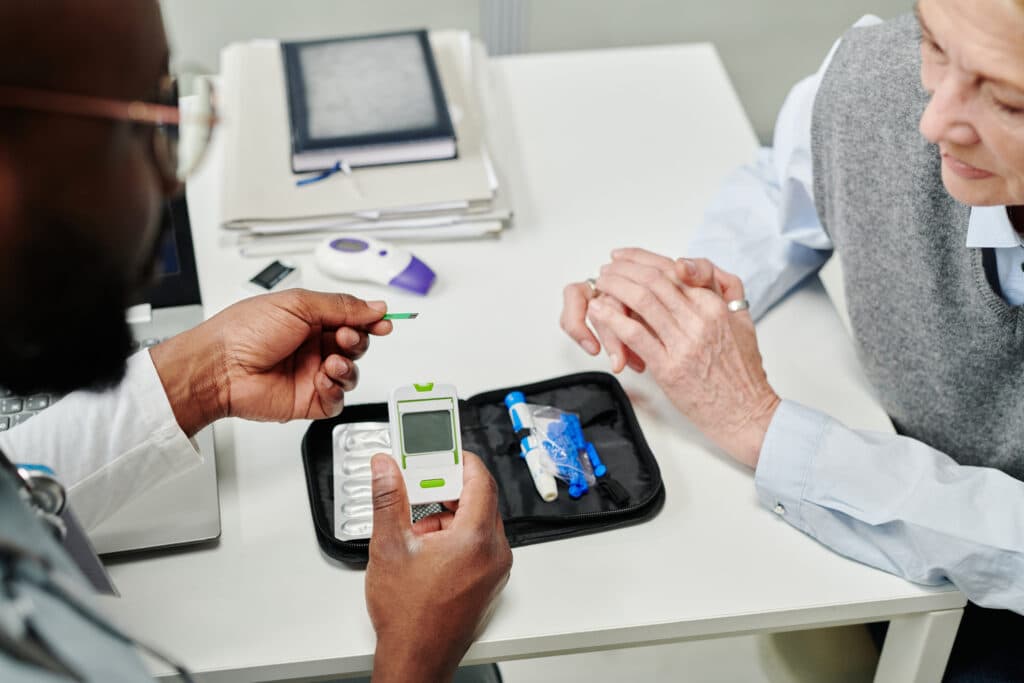
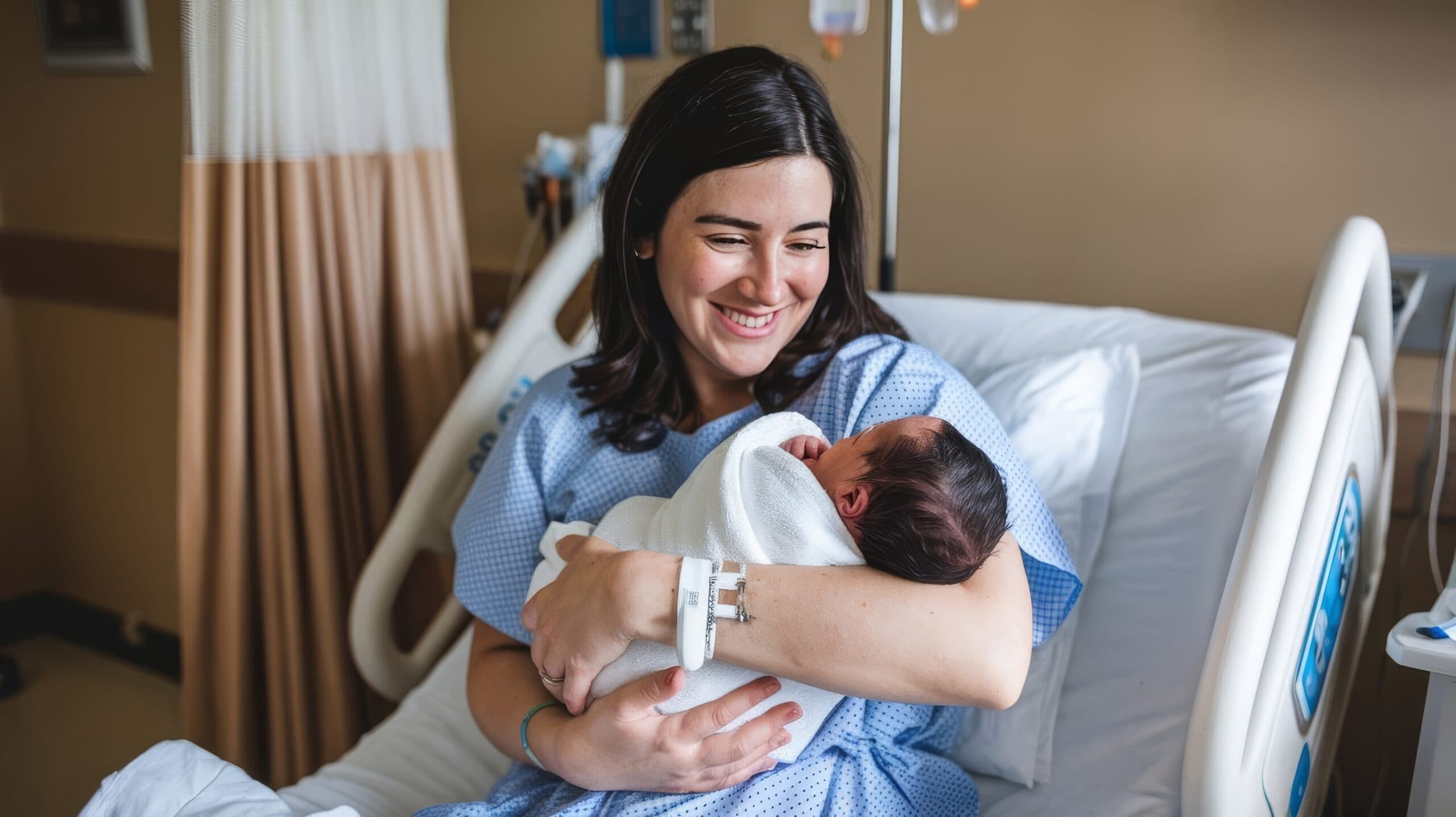
During pregnancy, gestational diabetes can develop when your body isn’t producing enough insulin to manage its blood sugar levels. There is a question of whether people with gestational diabetes no longer have it after having their baby. If a woman has gestational diabetes, it usually disappears after she delivers her baby. Yet, we have to recall that gestational diabetes requires continued attention once the baby will be delivered.
In this part, we’ll review the effect of pregnancy on your blood sugar, who could suffer health problems and see how Avant Medical Group can support your health.
What Happens to Gestational Diabetes After Delivery?
After the baby is born, most women without permanent diabetes see their symptoms go away. Once hormones from pregnancy have worn off, your blood sugar level should return to normal. The vast majority of women notice this change in about two weeks after delivery. Still, walking away from chronic pain isn’t recommended.
Important facts to remember:
- You should keep an eye on your baby after birth.
- Blood sugar is generally checked 6 to 12 weeks after birth to find out if the condition has gone away.
- At least half of women with gestational diabetes can expect to develop type 2 diabetes within ten years if they do not take steps to prevent it.
We make sure that our patients’ blood sugar stays safely within the right range.

Who Is at Risk for Long-Term Diabetes?
After having gestational diabetes, some women have an increased risk of getting diabetes that does not go away. A range of factors plays a role in increasing the chance of this disease:
- Having an extra amount of fat
- High blood pressure means you are at risk and should be evaluated by a hypertension specialist.
- A member of your family has type 2 diabetes
- Gestational diabetes can sometimes affect women early on in their pregnancy. Women planning to conceive can benefit from fertility consulting to understand and manage risk factors before becoming pregnant.
- Some pregnant women need to give themselves insulin during their pregnancy.
Anyone who develops these features is urged to make regular visits to a diabetes expert at their doctor’s suggestion.
How to Lower Your Risk of Type 2 Diabetes After Gestational Diabetes
Quick action following pregnancy can protect from developing type 2 diabetes when you age. Read these suggestions for strategies that improve your health:
1. Get Tested Regularly
Check your blood sugar 6 weeks following childbirth and, after that, recommend your doctor check it every 1 to 3 years after that.
2. Maintain a Healthy Weight
A 5%–7% drop in weight helps lower your risk of developing type 2 diabetes.
3. Stay Active
Try to arrange for at least 2½ hours of moderate weekly activities such as walking, riding a bike or swimming.
4. Eat a Balanced Diet
Avoid processed foods and sugar and instead work more whole proteins, veggies, grains and fats into your diet.
5. Breastfeed If Possible
Regularly breastfeeding may help maintain healthy blood sugar and burn off more calories, both of which protect you from diabetes.
Women who sign up with Avant Medical Group are offered personalized suggestions on nutrition and physical activity after delivering their baby.
Why Follow-Up Care Matters
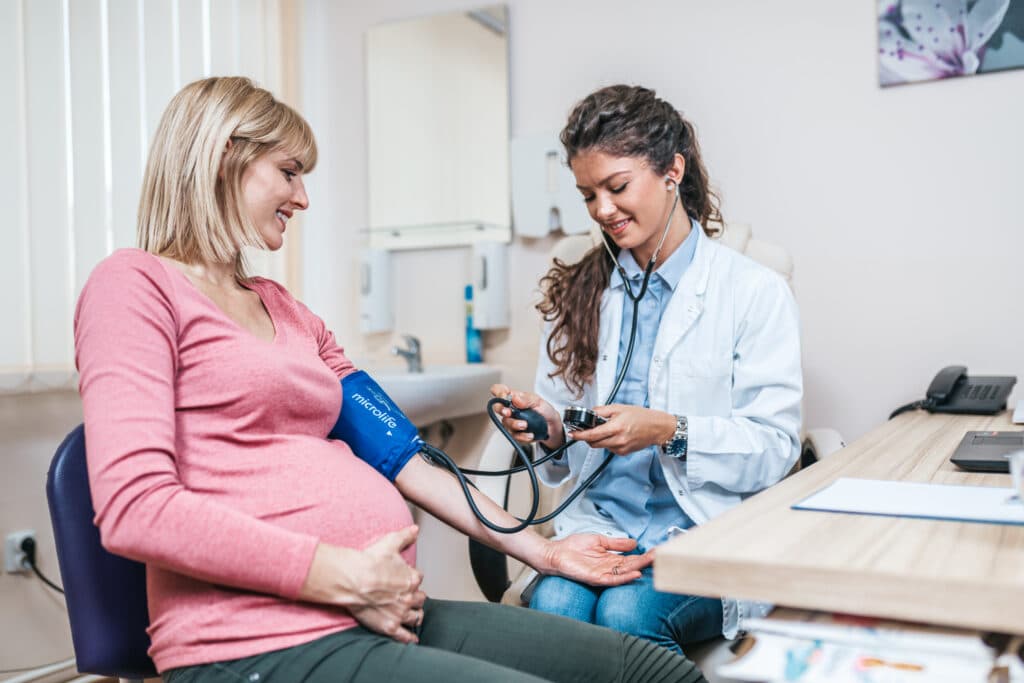
The changes to your health from gestational diabetes stay with you once your condition is under control. Taking care of your health in the long term can notice the early signs of insulin resistance or prediabetes before they become type 2 diabetes.
At Avant Medical Group, our diabetes specialists are certified by their boards.
- Screening for blood sugar levels
- Managing your weight and controlling your metabolism
- Plans recommendations for women who have had gestational diabetes
- Support with their lifestyle and eating habits
Taking precautions today helps you look after both your health and your family’s future.